
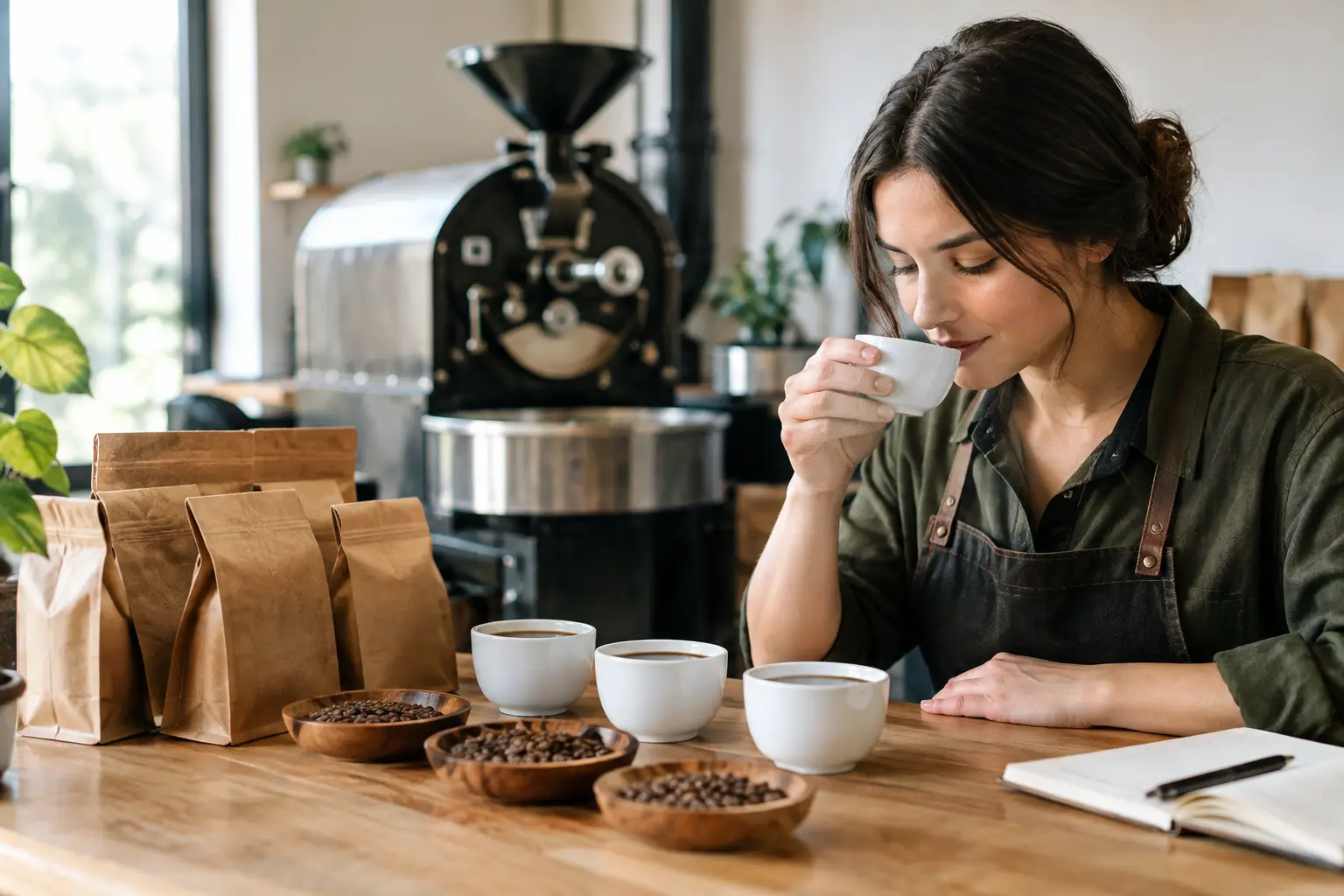
A five-star score can tell you that people enjoyed their coffee. It cannot always tell you why. The most useful local coffee roaster reviews go beyond “great flat white” and reveal the details that make a daily cup worth coming back for: fresh beans, thoughtful roasting, skilled preparation and a flavour that still tastes brilliant when you are hurrying along Fore Street.
For Exeter coffee drinkers, that difference matters. A locally roasted coffee is not automatically better simply because it is local, and a well-known name is not automatically a safe bet. What counts is whether the roaster and café take the bean seriously from origin to espresso cup – no corporate nonsense, no hiding behind a fancy label.
How to read local coffee roaster reviews properly
Start by looking for specifics. A review that mentions chocolatey sweetness, ripe fruit, toasted nuts or a clean finish gives you more to work with than one saying the coffee was “strong”. Strength is often confused with bitterness, while a carefully roasted coffee can be full-bodied, rich and properly wake-you-up strong without tasting burnt.
Pay attention, too, to repeated comments. One person loving a bright, berry-led single origin may simply be a matter of taste. If several people mention that a roaster’s coffees are consistently balanced, fresh or easy to drink with milk, that suggests something more dependable. Consistency is the quiet hero of good coffee. It is what makes a Tuesday morning latte as satisfying as a leisurely Saturday cup.
Reviews are most valuable when they explain how the coffee was brewed. Espresso, filter coffee and cafetière brewing can bring out very different sides of the same bean. A roast praised for its juicy, tea-like filter flavour may not be the right choice for someone who wants a velvety cappuccino. Equally, a classic espresso blend can be glorious with steamed milk but feel too heavy as a black coffee.
That is not a flaw. It is a reminder to match the review to the cup you actually want to drink.
Freshness deserves more than a passing mention
Coffee is an agricultural product, not a tin of instant powder that stays the same forever. Once roasted, beans gradually lose their brightest aromas and liveliest flavours. Good reviews may mention a roast date, a regular turnover of beans or coffee that smells vibrant as soon as the bag is opened.
Fresh does not always mean roasted yesterday. Espresso often needs a short rest after roasting to settle and extract well. But coffee served months after roasting is unlikely to show a roaster’s work at its best. When reviewers keep noticing sweetness, crema and clear flavours rather than flatness or stale bitterness, it is a promising sign that the coffee is being handled with care.
What reviews reveal about the roaster
A local roaster’s identity is often found in its approach rather than a single signature flavour. Some favour familiar, comforting profiles: cocoa, caramel, hazelnut and soft fruit. Others lean towards lively seasonal coffees with citrus, stone fruit or floral notes. Neither approach wins by default. The better choice depends on whether you want a reliable everyday brew or a cup that changes with the harvest and gives you something to talk about.
Look for clues about sourcing without expecting every review to read like a green-bean report. Mentions of traceable origins, producer relationships, seasonal lots and fair payment practices show that the story behind the beans is being considered. Ethical sourcing is not a decorative extra. It affects livelihoods at origin and often goes hand in hand with better attention to quality.
Still, be sensible about big claims. “Ethical” can mean different things, and a review cannot verify every part of a supply chain. It can, however, tell you whether a roaster is open about where coffee comes from and whether customers feel the quality justifies the price.
Price is another useful point of comparison. Small-batch roasting, careful sourcing and proper packaging cost money. The cheapest bag on the shelf is rarely the bargain it first appears if the coffee is old or tastes one-dimensional. At the same time, the priciest beans are not automatically your new favourite. A brilliant house blend that works beautifully every morning is often better value than a rare single origin that only suits you once in a while.
The café matters as much as the beans
Even excellent beans can become a disappointing drink in careless hands. Reviews of local coffee roasters are helpful, but reviews of the cafés serving them complete the picture. Ask whether the espresso tastes balanced, whether milk drinks are smooth rather than scalding hot, and whether baristas can tell customers what is in the grinder that day.
Milk texture is a particularly good giveaway. In a proper flat white or cappuccino, steamed milk should add gentle sweetness and a silky feel, not cover the coffee with stiff foam or turn it into a scorching, tasteless mouthful. A good barista works with the roast rather than treating every bean exactly the same. Grinder settings, dose, extraction time and water all affect the final cup.
That is why the best independent cafés build relationships with roasters and keep tasting. Beans change with season, age and weather. The goal is not coffee that tastes identical to a chain café in every city. It is coffee that tastes right: balanced, characterful and made with attention.
At Creeks Cuppa, that means choosing locally roasted beans and trusted UK roasters for coffees that earn their place in the cup, whether you are grabbing an Americano on the way to work or settling in with a flat white and a pastry. The welcome matters, but the coffee has to hold up too.
Use reviews to find your own flavour lane
Rather than hunting for the objectively “best” roaster, use reviews to narrow down what you enjoy. If you normally add milk, look for comments about chocolate, caramel, nutty notes and a round body. These profiles often stay present through milk and make dependable lattes, mochas and cappuccinos.
If you drink black coffee, you might enjoy reviews that mention clarity, sweetness and distinct fruit notes. Washed coffees can offer a clean, crisp cup, while naturally processed coffees may taste fuller and fruitier. Neither is more sophisticated. They simply offer different experiences, and your morning mood has a say in it.
Do not overlook blend reviews, either. Single origins get plenty of attention because each one has a clear place and season, but a good blend is designed for balance. It can be the unsung champion of the weekday routine: sweet enough for a quick espresso, substantial enough for a latte, and consistent enough that you know what you are getting.
Questions worth asking before you buy
The next time a local roast catches your eye, a few straightforward questions can turn a hopeful purchase into a very good one. When was it roasted? Is it best for espresso, filter or both? What flavours should you expect? How is it sourced? And, most importantly, what does the person serving it genuinely recommend?
A café or roaster that answers plainly is usually a better sign than one that buries you in jargon. You do not need a tasting qualification to care about coffee. You just need a cup that suits your taste, a team willing to help, and the confidence that your money is supporting people who put real care into it.
The best review is still your own, formed halfway through a properly made coffee on Fore Street: the first sip is sweet, the finish is clean, and you are already thinking about when you can come back.