
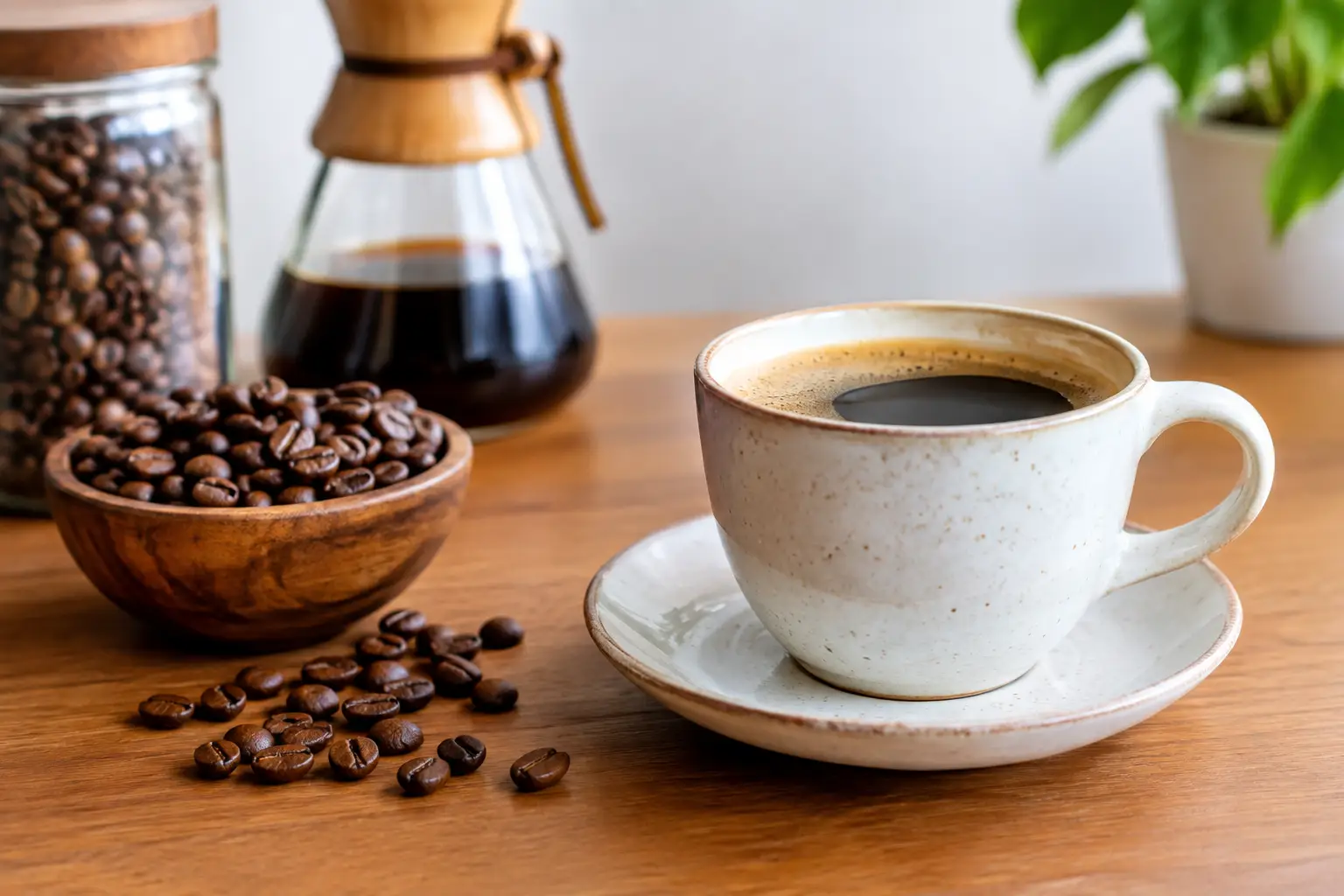
A good coffee stop on Fore Street has to earn its place in your routine. When you are hurrying to work, catching up with a mate, or claiming twenty quiet minutes to yourself, a watery flat white and a shrug simply will not do. Speciality coffee is about making those everyday moments taste better – with better beans, more care and a barista who knows that the details are the drink.
It can sound like industry language, but the idea is refreshingly straightforward. Coffee should taste considered, not generic. It should have character without being needlessly complicated, and it should be made by people who care whether your first sip is balanced, sweet and properly warming.
What is speciality coffee?
Speciality coffee starts long before the espresso machine is switched on. It describes coffee produced with exceptional attention at every stage: growing, picking, processing, roasting and brewing. In formal coffee grading, beans generally need to achieve a high score to be classed as speciality. For a coffee drinker, though, the point is simpler: you can taste the difference.
The beans are usually traceable to a particular country, region, farm or co-operative. They are selected for quality rather than treated as an anonymous commodity, then roasted to bring out their best flavours. That might mean caramel and hazelnut in a comforting espresso, ripe berries in a bright filter coffee, or chocolate notes that stand up beautifully in a milky latte.
There is a small bit of language worth clearing up. You may see both “speciality” and “speciality” coffee. They refer to the same movement, but “speciality” is the spelling you will often see here in the UK. More important than either spelling is what is in the cup.
Better beans make a noticeable cup
Coffee is a fruit before it becomes a bean. Its flavour is affected by altitude, soil, rainfall, variety, harvesting and how the fruit is processed after picking. That is why two coffees can taste completely different even when prepared in the same way.
A well-chosen espresso blend often aims for consistency and comfort: a full body, a little sweetness, a gentle fruit note and enough depth to work with dairy or oat milk. It is the dependable choice when you want a cappuccino that tastes like coffee, rather than hot milk with a vague brown memory.
Single-origin coffee has a different appeal. It comes from one defined place and can show off flavours that are more distinctive, perhaps citrusy, floral, jammy or tea-like. Not everyone wants a bright, lively cup before a 9am meeting, and that is fine. Speciality coffee is not a competition in having the most unusual tasting notes. It is about finding beans that suit the drink and making them well.
Locally roasted beans matter here, too. A local roaster can work closely with cafés, respond to seasonal changes and roast coffee while it is fresh and full of flavour. It also keeps more of the coffee story close to home. Exeter has no shortage of people who care where their food and drink come from, and coffee deserves the same attention as the pastry beside it.
Roasting is where flavour is shaped
Roasting turns dense, green coffee beans into the fragrant brown beans we recognise. It is part craft, part science and absolutely not a one-size-fits-all process. Roast too lightly and a coffee can taste sharp or underdeveloped. Roast too darkly and every bean risks tasting smoky, bitter and much the same.
The right roast depends on the bean and the brew method. Espresso needs enough development for sweetness, body and a satisfying finish under pressure. A filter coffee can carry lighter, more delicate flavours. Neither is automatically better. It depends on what the roaster is trying to express and what you enjoy drinking.
This is one reason speciality coffee can feel so different from standard high-street coffee. The goal is not to bury every origin beneath a dark roast. The goal is to let the coffee taste good on its own terms, then make it accessible in the cup.
The barista makes the difference
Great beans cannot rescue a badly pulled shot. Espresso is unforgiving: tiny changes in grind size, dose, water temperature, timing or pressure can shift a drink from rich and sweet to thin, sour or harsh.
A skilled barista tastes, adjusts and pays attention. If the weather changes, beans age, or a new roast arrives, the grinder may need a tweak. That work happens quietly behind the counter, but it is why one flat white can feel properly rounded while another feels oddly hollow.
Milk deserves the same care. For a latte, cappuccino or flat white, it should be steamed to a smooth, glossy texture that carries sweetness and blends with the espresso. Big dry bubbles might look dramatic, but they do not make a better drink. The aim is balance: coffee still has a voice, milk adds softness, and neither overwhelms the other.
Plant-based milks bring their own variables. Oat, soya and coconut all behave differently with heat and espresso. A good café takes that seriously rather than treating dairy-free orders as an inconvenience. The right pairing and careful steaming make a proper difference.
Speciality coffee does not have to mean serious coffee
There is a myth that good coffee must be black, tiny and discussed in hushed tones. Absolutely not. If your favourite drink is an iced mocha, a creamy latte or a frothy cappuccino with a pastry on the side, there is room for you at the table.
The quality is in the foundation. A well-made iced coffee still begins with espresso that has flavour. A mocha should taste like coffee and chocolate, not just sugar. A frappé can be a treat and still be made with care. On a warm Devon afternoon, choosing an iced tea, smoothie or strawberry iced matcha instead is not somehow missing the point either. A good independent café meets you where you are.
That matters because coffee habits are personal. Some people want a punchy Americano while walking through Fore Street. Others settle in with a flat white, a croissant and a laptop. Friends might make an afternoon of it over cold drinks, and a Dungeons & Dragons night calls for something altogether more leisurely. There is no corporate nonsense in having a menu with range, as long as the standard stays high.
Ethical sourcing is part of the flavour story
Coffee travels a long way to reach Exeter, and that should make us curious about how it got here. Ethical sourcing is not a magic phrase that solves every challenge in the coffee supply chain. Farmers can still face price pressure, climate disruption and unstable harvests. But traceability, long-term buying relationships and paying for quality are meaningful steps.
When roasters can name where coffee comes from and why they chose it, there is more accountability behind the bag. Better purchasing practices can support producers who invest in careful cultivation and processing. It also gives drinkers a more honest connection to the people and places behind their morning cup.
The trade-off is that responsibly sourced, carefully roasted coffee can cost more than the cheapest option. That cost reflects skilled labour throughout the chain, not just a fashionable label. A café should still feel welcoming and good value, but quality does not appear from nowhere.
How to enjoy speciality coffee your way
You do not need a tasting wheel or a fancy home machine to get more from your coffee. Start by noticing what you like. If you enjoy darker, chocolatey flavours, ask for an espresso blend in a cappuccino or mocha. If you prefer something cleaner and lighter, try an Americano or a single-origin filter when it is available.
If you normally add sugar, there is no rule saying you must stop. Try the drink first, though. A carefully prepared coffee often has more natural sweetness than expected. If it needs a little sugar to suit your taste, that is your call.
At Creeks Cuppa, the best order is the one that fits your day: coffee to go when Fore Street is calling, a hearty breakfast when you have time, or a slow sit-down with people who make the place feel familiar. Ask what is on the grinder, tell the barista what flavours you usually enjoy, and give yourself permission to try something new now and then.
The next time you pick up a coffee, take one unhurried sip before the day gets louder. If it tastes balanced, comforting and made for you, that is a very good place to start.